The 3-Card Tarot Spread
The three-card spread is tarot's workhorse, and it earns the title. Three cards are few enough to read in minutes and enough to make a story: a beginning, a middle, and a direction. Where a single card gives you a mood, three give you movement — how the situation got here, what it feels like now, and where its momentum points.
The classic arrangement is Past, Present, and Path Ahead (often called Future). The names matter less than the flow between them. Almost every question fits this shape, which is why readers from beginners to professionals reach for it daily: it is the fastest way to turn a vague worry into a structured reflection.
✦ When to Use It ✦
Choose the three-card spread when you want clarity quickly: a specific question, a decision you keep circling, a relationship or work situation that needs untangling rather than a full excavation. It is also the best spread for a daily practice — enough substance to reflect on, small enough to finish with your coffee. Save the ten-card Celtic Cross for the questions with many moving parts.
✦ The Positions ✦
- 1
Past — what's still shaping you
The first card names the root of the situation: the event, habit, or old story whose influence is still active. It often explains why the present feels the way it does — the weight you brought into the room without noticing you were carrying it.
- 2
Present — where you stand right now
The middle card is the heart of the reading: the honest state of things today, including the parts you have been narrating differently. It frequently lands as a mirror — naming the feeling or dynamic you knew but hadn't put into words.
- 3
Path Ahead — where this is heading
The third card shows the direction the current energy points, not a fixed fate. Read it as a trajectory: if nothing changes, this is where things lean. It is the card that turns the reading into a choice — continue the arc, or bend it.
✦ Reading the Cards Together ✦
Read the three cards as one sentence, not three verdicts. The skill is in the connections: how the Past card explains the Present one, and what the Present card must resolve for the Path Ahead to arrive well. A difficult card in the past position is often good news — the hard part already happened. A difficult card in the future position is not a sentence; it is the spread showing you the turn while there is still time to take the wheel.
Pay attention to repeated suits and numbers. Three Cups cards make it an emotional story; a run of Swords says the battle is mostly in the mind. Major Arcana cards mark the beats that matter most — if your Present card is a Major, the moment is bigger than the question you asked.
✦ Frequently Asked ✦
What are the 3 cards in a tarot spread?
The classic three-card spread uses Past (what shaped the situation), Present (where things honestly stand), and Future or Path Ahead (where the current momentum points). Variations exist — Situation/Obstacle/Advice is common — but past-present-future is the standard.
Is a 3-card spread good for beginners?
It is the best beginner spread: few enough cards to interpret confidently, structured enough to practice reading cards in relation to each other — the core skill every bigger spread builds on.
What questions suit a 3-card reading?
Specific, personal ones: "What should I understand about this relationship?", "Why does this job feel stuck?", "What would help this decision?" The spread turns one focused question into a story with a direction.
✦ Cards Worth Knowing First ✦
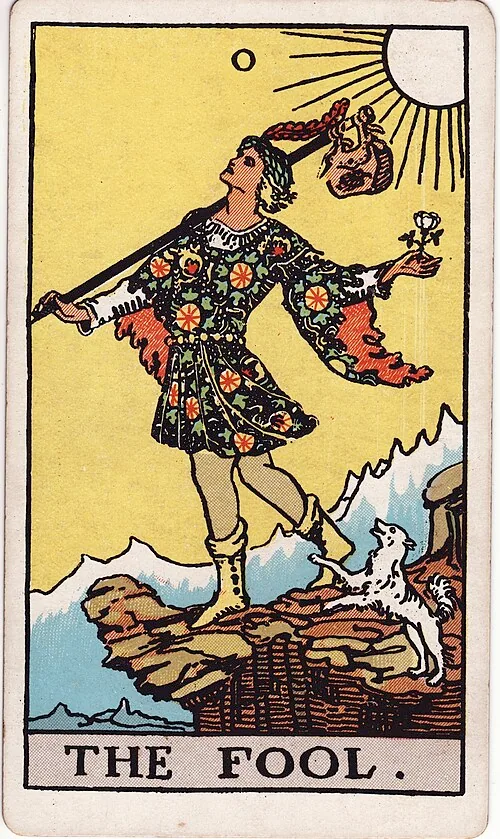
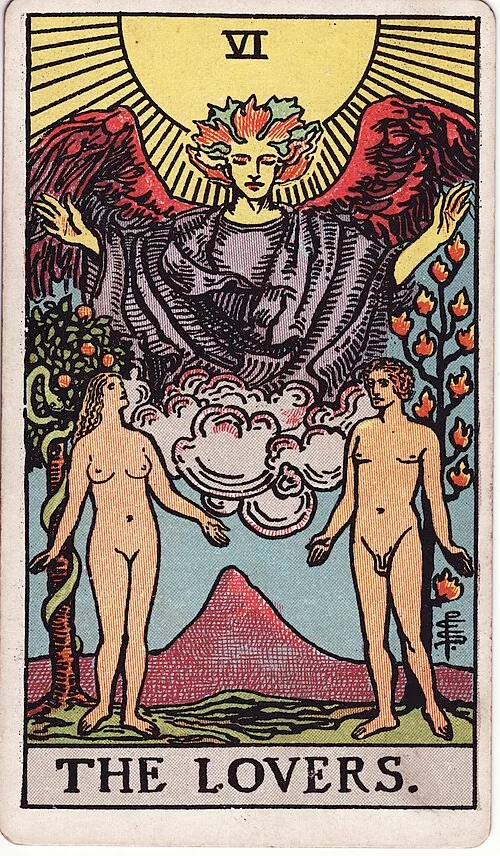
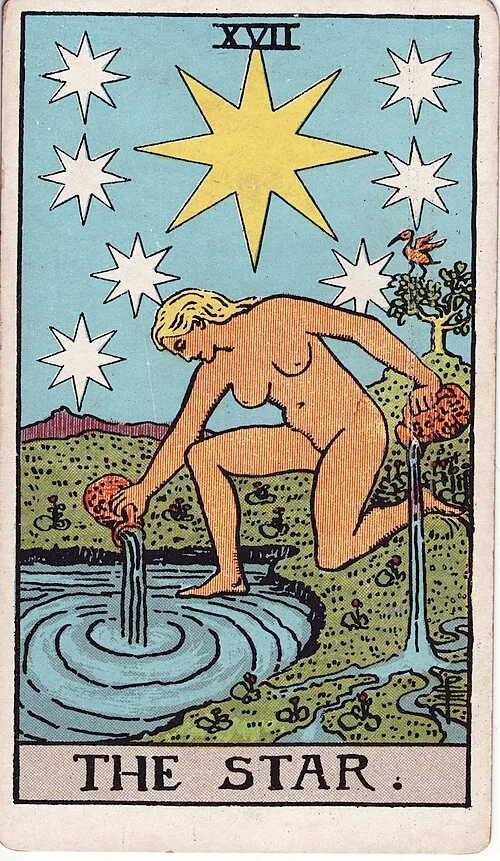
You know how the spread works — now draw one. Ask your question and watch the cards read live, position by position.
✦Try a Free 3-Card Reading✦