Yes or No Tarot
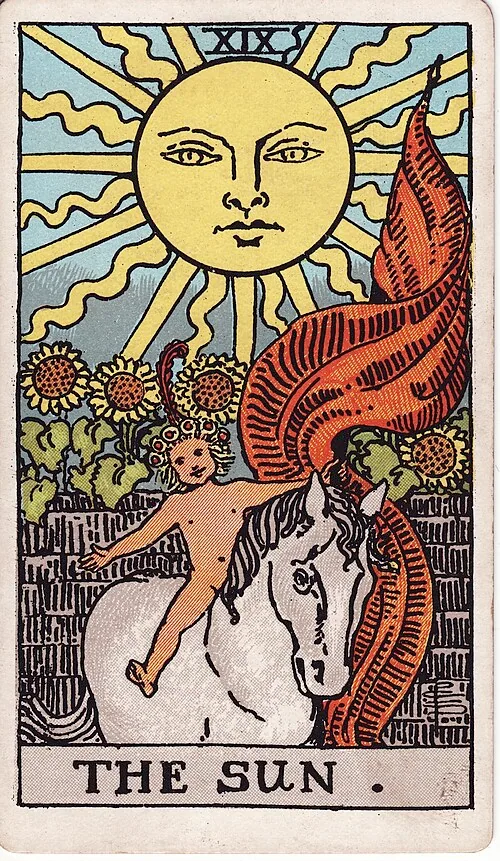
Yes-or-no tarot is the form everyone tries first: one card, one question, give it to me straight. And the cards can be read that way — every card carries a lean toward yes, no, or it depends. The Sun is about as loud a yes as the deck owns; the Ten of Swords is not subtle about no.
But here is what experienced readers know: the binary is the least interesting thing a card says. Draw the Two of Swords on "should I take the job" and the answer isn't no — it's "you are avoiding the information that would make this decision easy." The yes/no format works best as a door into the better question underneath.
✦ When to Use It ✦
Use a yes-or-no draw when a decision is genuinely binary and near: accept or decline, send the message or not, book it or skip it. It shines as a gut-check — you often learn your real answer in the half-second before the card flips, from which result you catch yourself hoping for. For anything with history, stakes, or people attached, step up to a three-card spread; binary answers flatten exactly the parts that matter.
✦ The Positions ✦
- 1
The Answer Card
One card, drawn on a clearly phrased question. Its energy leans yes, no, or conditional — and its specific meaning tells you why, which is the part worth keeping.
✦ Reading the Cards Together ✦
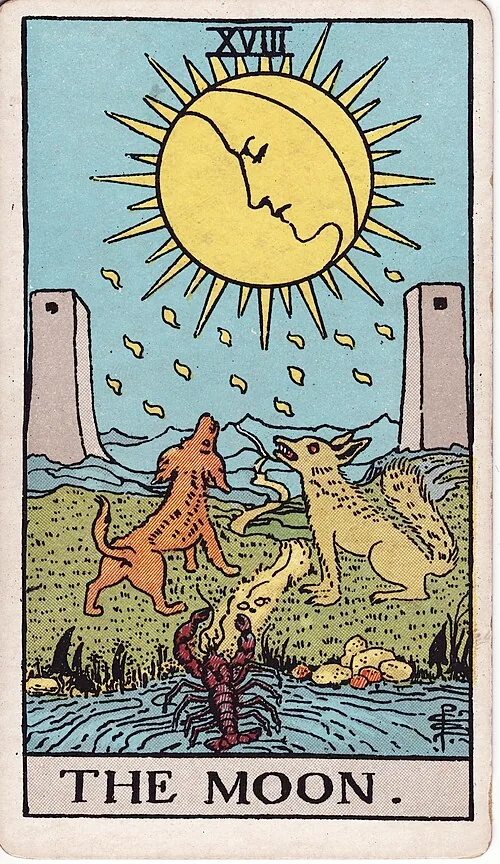
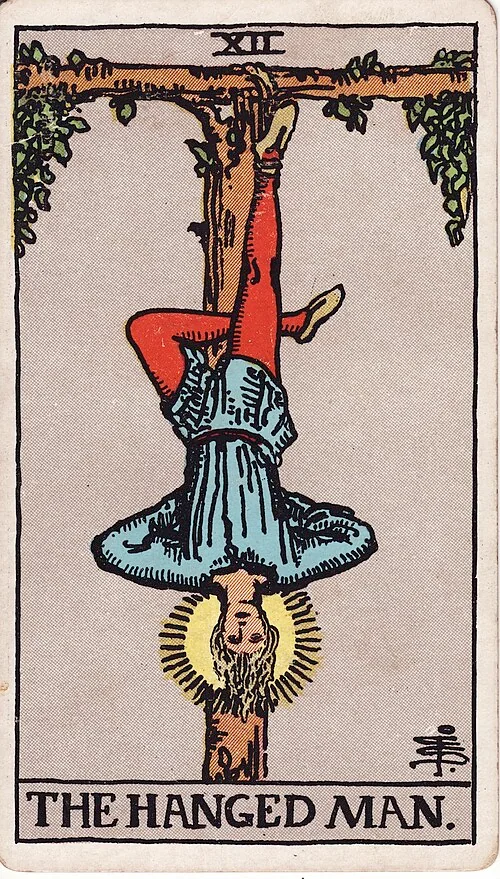
Broadly: upright cards of the Sun, Aces, Threes of Cups, Wheel of Fortune, and The World families lean yes. The Tower, Ten of Swords, Five of Pentacles, and most reversals lean no or not yet. Ambiguous cards — The Moon, Two of Swords, Seven of Cups, The Hanged Man — are the deck refusing the binary: the honest answer is "not knowable yet" or "wrong question".
Whatever falls, read the card's actual meaning before banking the verdict. A "no" from the Four of Cups (apathy) is a completely different no than one from The Tower (structural collapse) — the first says "you don't actually want this", the second "this wants rebuilding first". The follow-up question — why is this the answer — is where a one-card draw becomes a real reading. That is the moment to draw two more cards and let it become a story.
✦ Frequently Asked ✦
How does yes-or-no tarot work?
You ask a clearly binary question and draw a single card. Each card carries a lean — yes, no, or conditional — based on its meaning. The card's specific message explains the why behind the verdict, which is the more useful half of the answer.
Which tarot cards mean yes and which mean no?
Strong yes cards: The Sun, The World, the Aces, Wheel of Fortune, Three of Cups. Strong no cards: The Tower, Ten of Swords, Five of Pentacles. Cards like The Moon, The Hanged Man and Two of Swords deliberately refuse the binary — read them as "not yet" or "wrong question".
Is a one-card reading accurate?
As reflection, yes — one card can name the heart of a situation with startling precision. As prediction, no reading is a guarantee. Treat the card as a mirror that sharpens your own judgment, and step up to a 3-card spread when the question has moving parts.
✦ Cards Worth Knowing First ✦
You know how the spread works — now draw one. Ask your question and watch the cards read live, position by position.
✦Ask the Cards Free✦